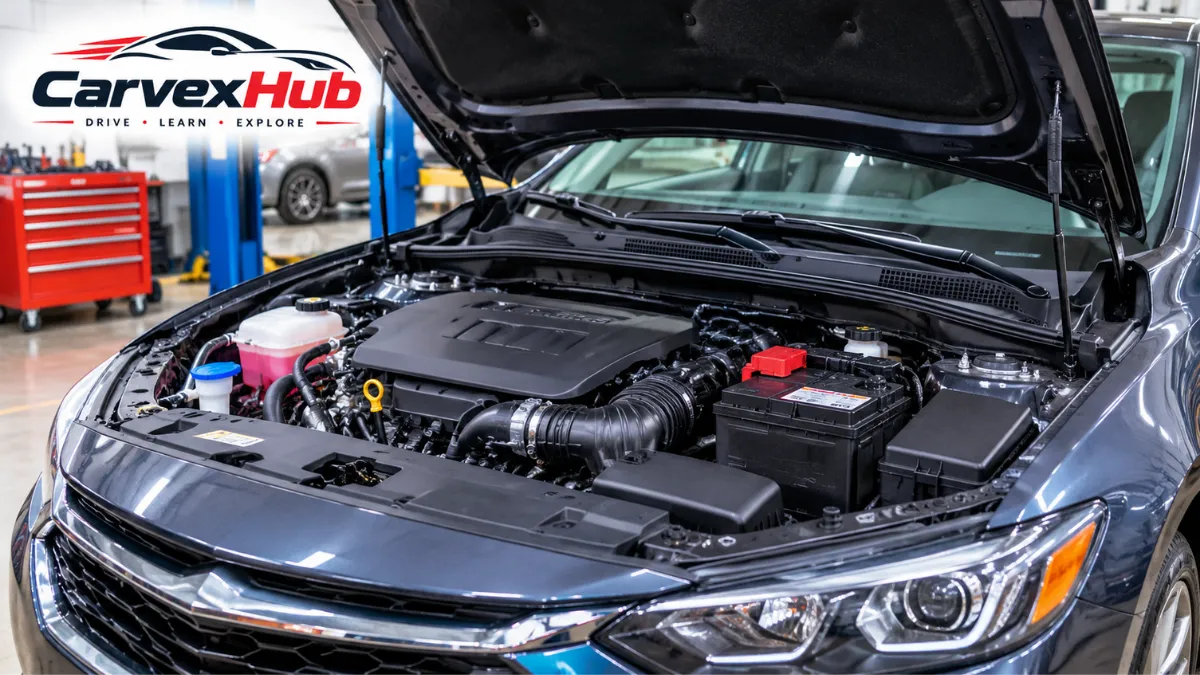
A typical car battery lasts 3 to 5 years. Extreme heat, short trips, and electrical drain can shorten its life, while regular testing and clean terminals help it last longer.
Most car batteries last 3 to 5 years, but climate, driving habits, battery type, and maintenance can make that shorter or longer. Slow engine cranking, dim lights, and terminal corrosion are common early signs that a battery is failing. In this guide, you’ll learn how long car batteries last, how to spot the warning signs, and which simple maintenance habits can help you avoid unexpected starting problems and costly roadside emergencies.
1. How Long Do Car Batteries Last on Average?
The average car battery life is approximately three to five years under normal driving conditions. However, some batteries may fail earlier, while others can continue working beyond five years.
Your vehicle’s battery gradually loses its ability to store and deliver electrical power. Over time, this makes it harder to start the engine and operate electrical components.
Several factors influence battery life expectancy, including temperature, charging performance, vehicle usage, and maintenance.
Average Car Battery Life by Battery Type
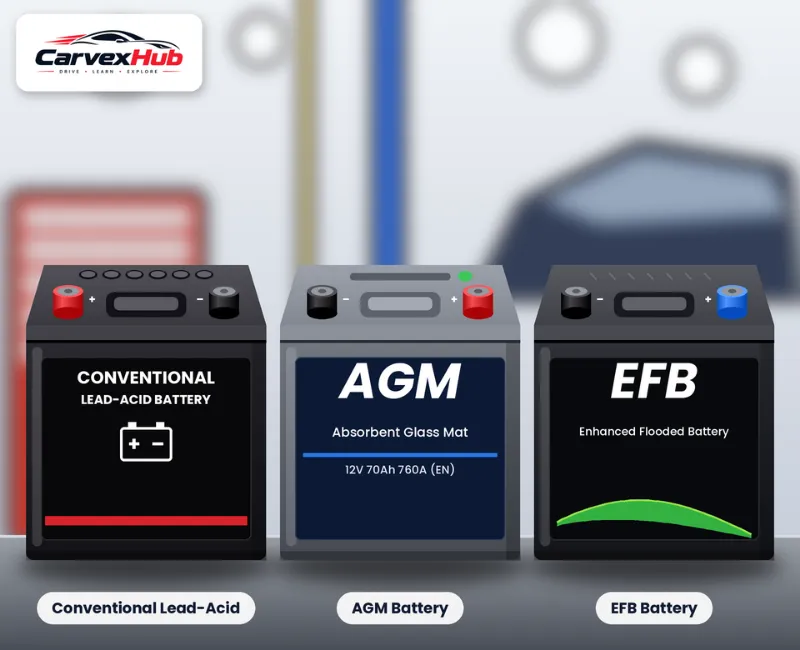
Different battery designs serve different vehicle requirements. Here are three common types found in modern vehicles:
- Flooded Lead-Acid Batteries: These conventional batteries are widely used in standard gasoline-powered vehicles. They generally last around three to five years, depending on usage and climate.
- AGM Batteries: Absorbent Glass Mat batteries are designed for vehicles with higher electrical demands and many start-stop systems.Its actual life depends on the car and its charging system.
- EFB Batteries: Enhanced Flooded Batteries are designed to handle more frequent charging and discharging, particularly in compatible start-stop vehicles.
Always check your owner’s manual before choosing a replacement. Your vehicle may require a specific battery type.
2. What Factors Affect Car Battery Lifespan?
Several conditions can shorten automotive battery life. Understanding them helps you take better care of your vehicle.
Extreme Heat and Hot Weather
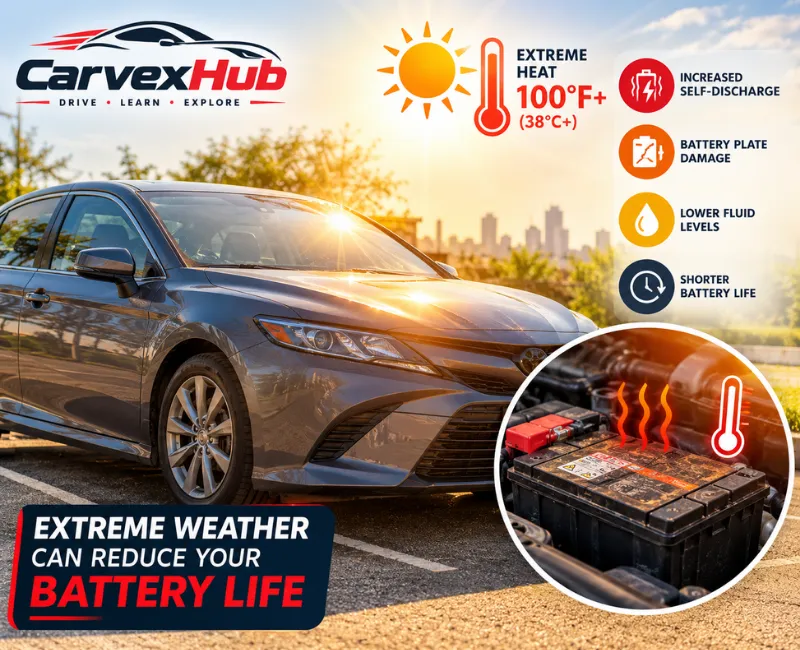
High temperatures are among the biggest causes of premature battery deterioration. Heat accelerates internal chemical reactions and can increase water loss in conventional lead-acid batteries.Drivers in hot states such as Texas, Arizona, and Florida may experience shorter battery life than drivers in cooler regions.
Cold Weather and Winter Conditions
Cold weather reduces the battery‘s starting power and makes it harder to crank the engine.This combination puts additional pressure on an aging battery. A battery that works normally during summer may struggle to start your vehicle on a freezing winter morning.
Have your battery tested before winter if it is already several years old.
Short Trips and Driving Habits
Frequent short trips can prevent your alternator from fully replacing the energy used during engine starting.
For example, repeatedly driving only a few minutes to nearby stores may gradually leave your battery undercharged.
Occasional longer drives can help recharge it, although a severely discharged or damaged battery may require a proper charger or professional attention.
Vehicle Inactivity and Electrical Drain
Leaving your car parked for several weeks can gradually discharge its battery. Some vehicles also continue using electricity while switched off to operate security systems, clocks, and other electronics.
Leaving headlights, interior lights, or accessories switched on can drain the battery much faster.
3. What Are the Signs of a Bad Car Battery?
A failing battery often shows warning signs before it stops working completely. Recognizing these symptoms early can help prevent a dead battery.
Slow Engine Cranking and Starting Problems
One of the most common signs of a weak car battery is slow engine cranking. You might also hear clicking sounds instead of the normal starting noise.These signs can point to a weak battery,a bad electrical connection, or a problem with the starter. When you turn the key, the engine may take longer than usual to start.To understand what happens during startup, read how your car engine works
Dim Headlights and Interior Lights
If your headlights or interior lights look dimmer than usual, your battery or charging system may need attention.You might also notice electrical parts like power windows or the radio working on and off.
Dashboard Battery Warning Light
The battery-shaped warning light on your dashboard shows a possible problem in the car’s charging system.It does not mean the battery is bad. The alternator, wiring, or charging connections could also be responsible.Have the electrical system inspected instead of immediately replacing the battery.
Battery Corrosion, Swelling, and Unusual Smells
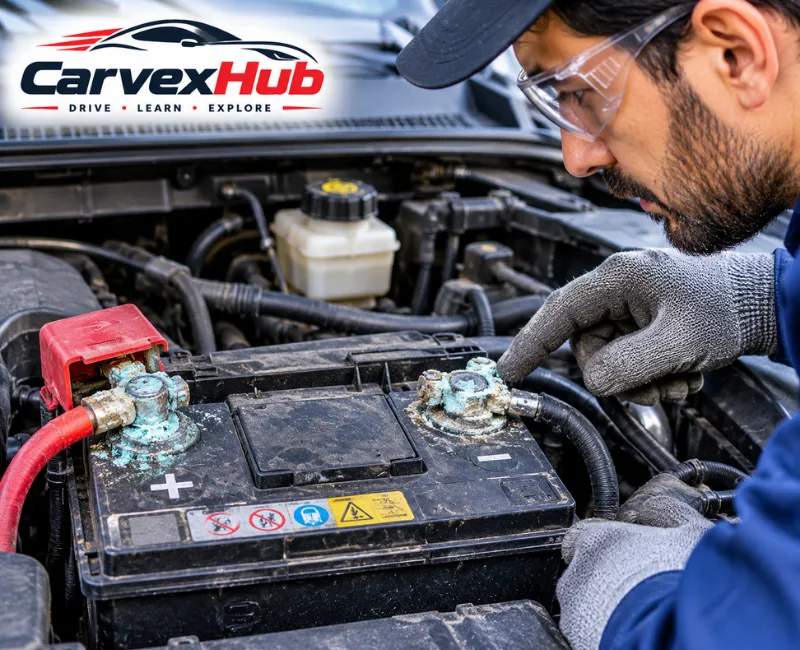
Physical damage can also indicate battery problems.
Look for:
- White, blue, or greenish battery terminal corrosion.
- Cracks or leaks around the battery case.
- A swollen or bulging battery.
- A strong sulfur or rotten-egg smell.
A swollen, leaking, or damaged battery should be handled by a qualified technician. Avoid touching leaking battery fluid.
4. How Do You Test a Car Battery?
Testing helps determine whether your battery is holding enough charge or approaching the end of its useful life.
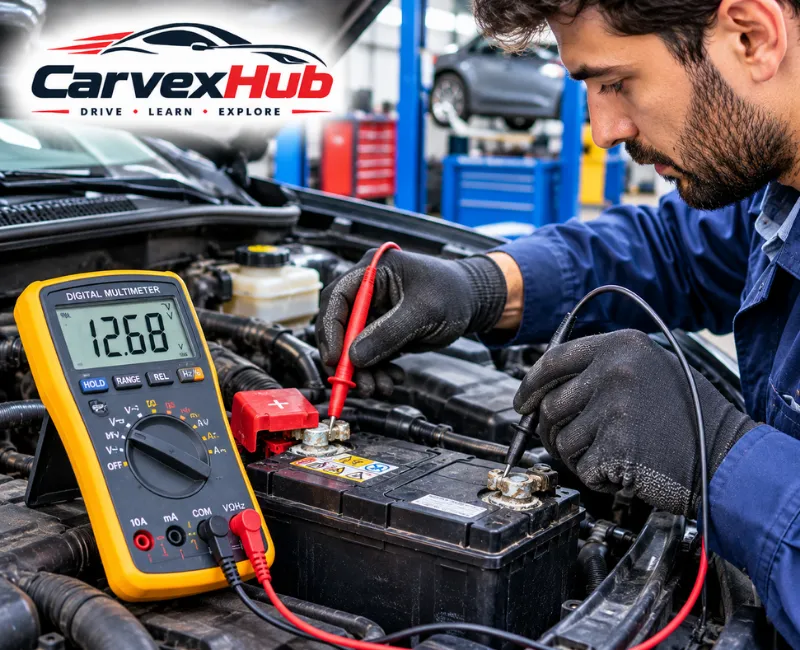
Check Battery Voltage With a Multimeter
A digital multimeter can provide a basic indication of battery charge.
For a conventional 12-volt lead-acid battery, these are useful general reference points when the vehicle has been switched off and the battery has rested:
| Battery voltage | General indication |
| Around 12.6V or higher | Fully charged |
| Around 12.4V | Partially charged |
| Around 12.2V | Significantly discharged |
| Around 12.0V or lower | Very low charge |
These readings indicate charge level, not overall battery health. A battery can show normal voltage but still fail under starting load.
Always follow the multimeter instructions and avoid shorting the battery terminals.
Get a Professional Battery Load Test
A professional load test checks how well the battery performs under electrical demand.
A technician can also inspect the alternator, battery terminals, connections, and charging system.
Regular battery inspection is particularly useful once your battery reaches three years of age.
5. How Can You Make Your Car Battery Last Longer?
Good car battery maintenance can reduce unnecessary wear and help your battery reach its expected lifespan.
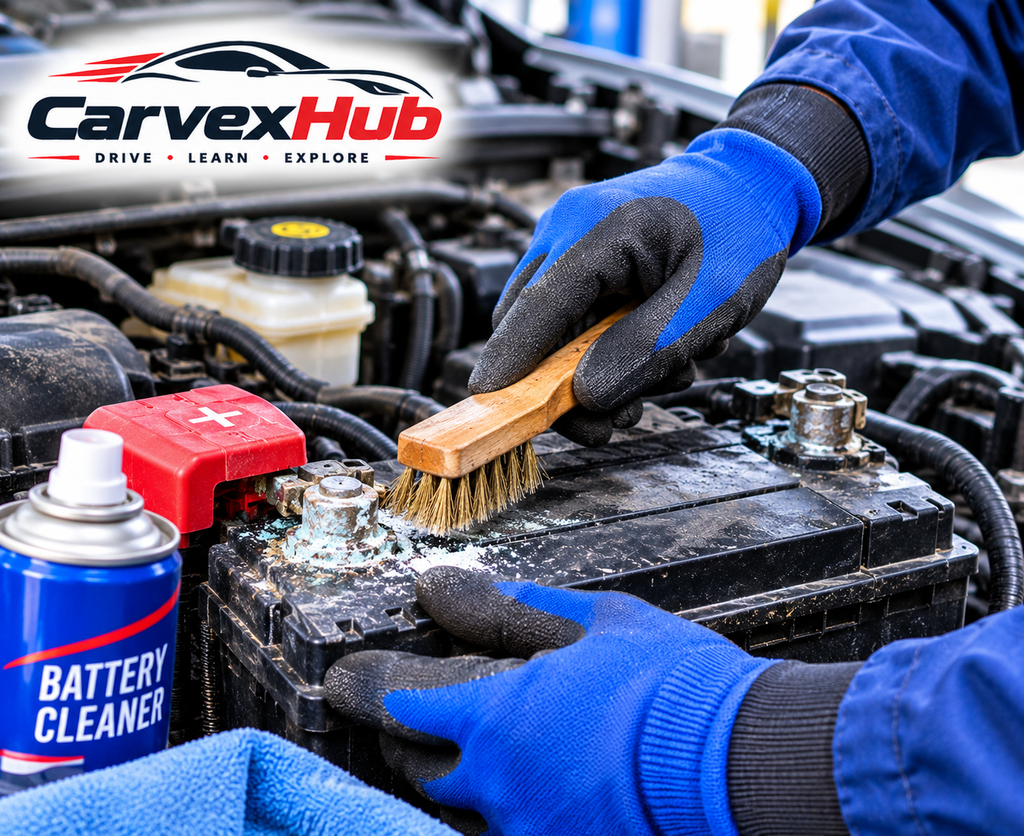
Keep Battery Terminals Clean
Inspect the battery terminals for corrosion, dirt, or loose connections.
Corrosion can interfere with electrical flow and cause starting problems. Have heavy corrosion cleaned safely, particularly if the battery is leaking or damaged.
Avoid Unnecessary Electrical Drain
Switch off headlights, interior lights, and other electrical accessories before leaving your vehicle.
Avoid using electronic accessories for extended periods when the engine is off.
Drive Regularly and Maintain Proper Charging
If your vehicle remains parked for long periods, consider using a compatible battery maintainer.
Make sure your alternator and charging system are working correctly. Persistent undercharging or overcharging can shorten battery life.
Follow your vehicle manufacturer’s maintenance recommendations, including regular oil changes at the recommended interval.
6. When Should You Replace a Car Battery?
Most drivers should start monitoring battery condition after three years and consider replacement as it approaches the three-to-five-year range.
However, age alone does not determine whether a battery needs replacement.
Consider replacing it when:
- A professional test shows that it can no longer deliver sufficient starting power.
- It repeatedly loses charge without an obvious cause.
- Your vehicle frequently needs jump-starts.
- The battery case is swollen, cracked, or leaking.
- It cannot maintain a reliable charge after proper testing.
If your car won’t start, avoid assuming that the battery is automatically responsible. A faulty alternator, starter, or electrical connection can produce similar symptoms. If you are buying a used vehicle, check the battery’s age and condition, since an older battery may need replacement soon.
7. How Much Does Car Battery Replacement Cost?
Car battery replacement cost depends on the battery type, vehicle model, installation requirements, and location.
As a general U.S. price reference, AAA lists conventional flooded batteries at approximately 45–150 and AGM batteries at around 150–250 for the battery itself. Installation, taxes, and additional services may increase the final bill.
Before purchasing a replacement, compare:
- Battery type and compatibility.
- Correct battery group size.
- Cold Cranking Amps (CCA) rating.
- Warranty coverage.
- Installation and recycling fees.
Some newer vehicles also require battery registration or a Battery Management System reset after replacement.
Choosing the correct battery is more important than simply purchasing the cheapest available option.
8. Car Battery vs. Alternator Problems: What’s the Difference?
A weak battery and a failing alternator can produce similar symptoms, but they are different problems.
The battery stores electrical energy and supplies power to start the engine. The alternator generates electricity while the engine runs and helps recharge the battery.
Here are some general differences:
| Battery problems | Alternator problems |
| Slow engine cranking | Battery repeatedly loses charge |
| Clicking during starting | Charging warning light appears |
| Frequent jump-starts | Lights may flicker while driving |
| Battery fails a load test | Charging voltage may be abnormal |
These symptoms can overlap, so a complete battery and charging-system test is the best way to identify the actual problem.
Final Thoughts on Car Battery Lifespan
Most car batteries last between three and five years, but their actual lifespan depends on weather, driving habits, charging performance, and maintenance.
Pay attention to warning signs such as slow engine cranking, dim lights, corrosion, and repeated starting problems. Regular inspections and professional battery testing can help identify problems before your vehicle leaves you stranded. Battery care works best alongside routine services such as oil and filter maintenance.
If your battery is several years old or showing signs of failure, have its condition and charging system checked. Choosing the correct replacement at the right time can help keep your vehicle reliable and ready for the road.
Frequently Asked Questions About Car Battery Life
Can a Car Battery Last 5 to 7 Years?
Yes. Some car batteries can last five to seven years under favorable conditions. However, most commonly last around three to five years. Climate, driving habits, and maintenance affect their lifespan.
How Long Can a Car Sit Before the Battery Dies?
There is no fixed timeline. Some vehicles can sit for several weeks, while others may experience battery discharge sooner because of electrical accessories and parasitic drain.
Do Short Drives Damage a Car Battery?
Frequent short drives can leave a battery undercharged because the alternator may not have enough time to replace the energy used during starting.
Does Hot Weather Reduce Battery Life?
Yes. Extreme heat accelerates battery deterioration and can shorten its useful life. Parking in shaded or covered areas can help reduce unnecessary heat exposure.
Should You Replace a Car Battery After Three Years?
Not necessarily. Three years is a good time to begin regular battery testing, especially in hot climates. Replace it when its condition and test results indicate that it can no longer perform reliably.
