
Choosing the best cars depends on your budget, lifestyle, driving needs, and personal preferences. From fuel-efficient sedans and spacious SUVs to luxury vehicles and modern electric models, today’s automotive market offers options for every type of driver. The right car should provide reliable performance, comfortable seating, advanced safety features, and reasonable running costs.
Some buyers prioritize fuel economy, while others look for powerful engines, premium interiors, or the latest technology. In this guide, we explore the top cars of 2026, compare popular vehicle categories, and highlight important factors such as reliability, safety, and value for money. This will help you make a confident, informed decision before buying your next vehicle.
How We Choose the Best Cars in the World
The best cars offer a balanced combination of performance, safety, comfort, reliability, and value for money. A powerful engine alone does not make a vehicle suitable for every driver.

Fuel economy, maintenance costs, warranty coverage, and resale value also affect long-term ownership. Professional reviews and real-world test drives can help buyers understand how a vehicle performs beyond its advertised specifications.
Safety is equally important. Check independent crash-test results and available driver-assistance features for the exact model year and market. These factors help identify vehicles that suit different budgets and driving needs.
Best Cars of 2026: Top Picks at a Glance
Different vehicles excel in different areas. These notable models offer a useful starting point for comparing popular car categories.
- BMW iX3: An electric SUV recognized as the 2026 World Car of the Year and World Electric Vehicle.
- Toyota Camry: A practical midsize sedan with hybrid options in selected markets.
- Hyundai Santa Fe: A family-oriented SUV offering spacious seating and available hybrid power.
- Kia EV3: A small electric SUV designed for everyday driving.
- Porsche 911: A sports car known for its performance-focused engineering.
- Lexus GX: A premium SUV combining luxury features with rugged capability.
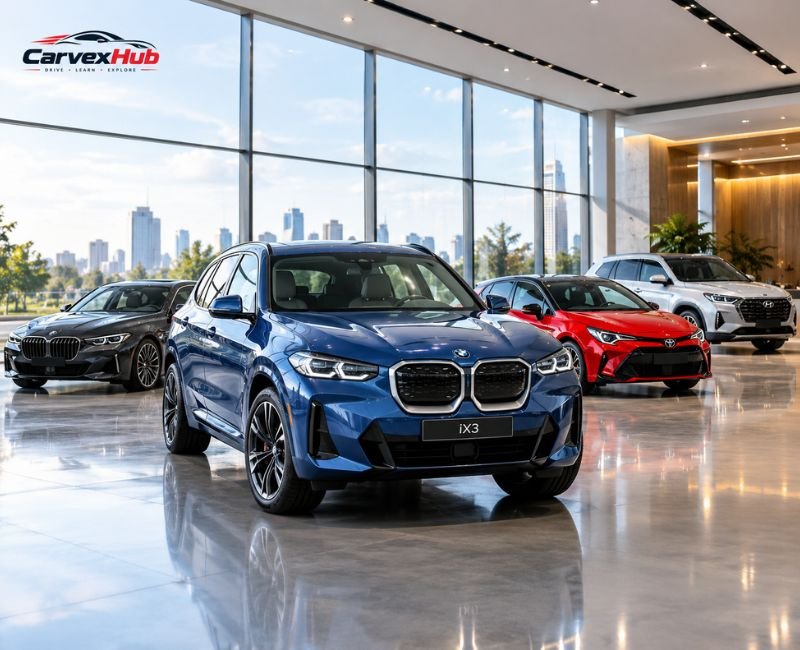
These vehicles serve different purposes, so no single model is the best choice for everyone. Compare local prices, specifications, safety information, and running costs before deciding.
Best SUVs for Families, Luxury, and Performance
SUVs appeal to buyers who want a higher seating position, flexible cargo space, and practical passenger accommodation. However, size, fuel economy, and handling vary between models.

The BMW X3 and Volkswagen Tiguan are worth considering for everyday driving. Buyers needing more space or off-road capability may prefer options such as the Hyundai Santa Fe or Toyota Land Cruiser, depending on their requirements.
Luxury SUVs add premium interiors, advanced technology, and comfort-focused features. Performance-oriented models may offer stronger acceleration but can cost more to fuel, insure, and maintain.
Before choosing an SUV, consider passenger numbers, parking space, luggage capacity, and road conditions. A vehicle that fits your daily routine will usually provide more value than one chosen for size or appearance alone.
Best Sedans, Hatchbacks, and Sports Cars
Sedans, hatchbacks, and sports cars suit different driving styles. Comparing their strengths helps you choose a vehicle that fits your lifestyle.
Sedans: The Toyota Camry is an option for drivers seeking everyday comfort, passenger space, and available hybrid efficiency. It can suit commuting and longer journeys, depending on the version.
Hatchbacks: The Suzuki Swift and Mini Cooper are examples for buyers interested in compact dimensions and city-friendly driving. Check rear-seat space and luggage capacity if practicality is important.
……………………………………………………………………………………………..
Sports cars: The Ford Mustang and Porsche 911 appeal to drivers who prioritize performance, distinctive styling, and driving enjoyment. However, running costs and everyday practicality can differ considerably.
Think about how often you carry passengers, travel long distances, or drive in crowded cities. The right body style should match your daily needs as well as your personal preferences.

Best Electric Cars, Hybrid Cars, and Plug-In Hybrids
Electric and hybrid vehicles offer alternatives to conventional petrol-powered cars. The best option depends on your driving distance, budget, and access to charging facilities.
Electric cars (EVs) use rechargeable batteries and electric motors. Models such as the BMW iX3 and Kia EV3 are worth researching. Before buying, compare driving range, charging speed, battery warranty, and local charging availability.
Hybrid cars combine a burning engine with an electric motor. They can improve fuel efficiency without requiring drivers to plug in most conventional hybrid models.
Plug-in hybrids (PHEVs) have larger batteries that can be charged externally. They may cover short journeys using electric power, particularly when charged regularly.
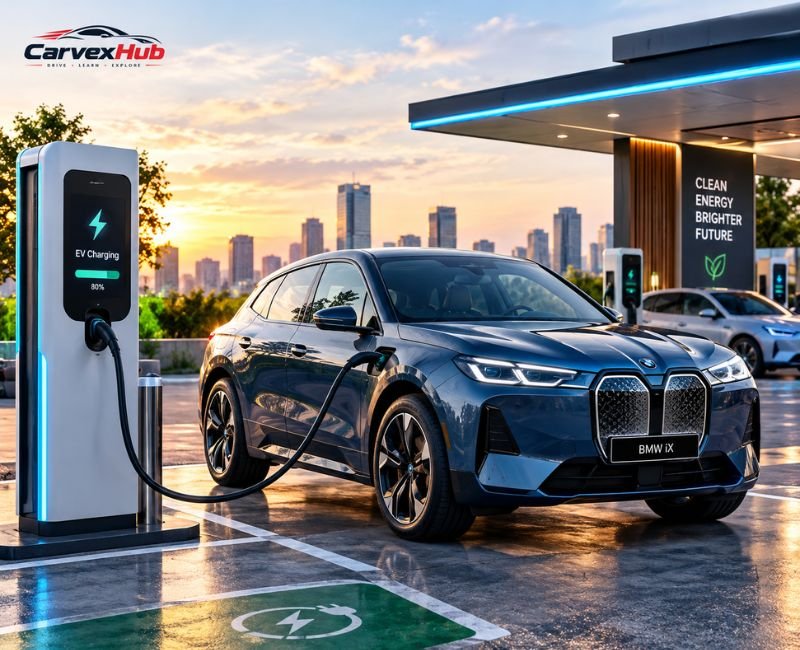
Consider fuel or electricity costs, servicing, and local infrastructure before choosing. An EV may suit someone with convenient charging, while a conventional hybrid can be practical for drivers without reliable access to chargers.
Best Luxury Cars and High-Performance Vehicles
Luxury cars focus on comfort, premium materials, and advanced technology. High-performance vehicles emphasize acceleration, handling, braking, and driving enjoyment.
The Bentley Continental GT is a luxury grand tourer, while the Porsche 911 is designed around sports-car performance. The BMW M5 combines executive-car practicality with performance-oriented engineering, and Lexus offers premium vehicles across several categories.
However, luxury ownership can involve higher insurance premiums, specialized servicing, and expensive replacement parts. Performance models may also consume more fuel when driven aggressively.
Compare cabin comfort, warranty coverage, maintenance costs, and local service availability before buying. A premium badge is less important than the features and driving experience you will genuinely use.
Best Family Cars for Comfort, Space, and Safety
A good family car should provide comfortable seating, practical storage, and appropriate safety features. The right choice depends on family size and everyday travel requirements.
The Hyundai Santa Fe, Toyota Grand Highlander Hybrid, Honda Pilot, and Kia EV9 are models worth comparing where available. Seating arrangements, cargo space, and powertrain options vary by trim and market.
Check child-seat compatibility, rear-door access, third-row comfort, and luggage capacity. If possible, test the vehicle with your family to see whether everyone fits comfortably.
Safety should remain a priority.. These technologies can support safer driving but cannot replace driver attention.
Choose a vehicle that balances space, comfort, reliability, and ownership costs rather than simply buying the largest model available.
World Car Awards: Finalists, Winners, and Top Categories
The World Car Awards recognize notable vehicles across international automotive categories. They can help buyers discover new models, but an award does not automatically make a car the right choice for every driver.
At the 2026 awards, the BMW iX3 won World Car of the Year and World Electric Vehicle. Other winners included the Lucid Gravity for World Luxury Car, the Hyundai Ioniq 6 N for World Performance Car, and the Firefly for World Urban Car.
The Mazda 6e/EZ-6 received World Car Design of the Year. These categories highlight different strengths, including technology, luxury, performance, urban practicality, and design.
Use award results alongside independent reviews, safety ratings, ownership costs, and local availability. Always distinguish confirmed winners from finalists when researching a vehicle.
How to Compare Cars by Price, Reliability, Fuel Economy, and Safety
Comparing the full cost of ownership helps you avoid expensive surprises. The purchase price is only one part of a vehicle’s long-term cost.
- Price: Include taxes, registration, insurance, fuel, servicing, and expected repairs.
- Reliability: Review reputable reliability surveys, maintenance records, and parts availability.
- Fuel economy: Compare official consumption figures using the same testing standard where possible. Real-world results depend on traffic and driving habits.
- Safety: Check independent crash-test ratings for the exact model year and specification.
- Warranty: Understand coverage periods, exclusions, and servicing requirements before buying.
For used cars, request service records and arrange an independent mechanical inspection. For new vehicles, compare standard equipment and optional features across trims.
A simple comparison of three suitable cars can reveal which offers the best balance of price, practicality, and long-term value.
How to Choose the Best Car for Your Budget and Lifestyle
Start by deciding how much you can comfortably spend on buying and maintaining a car. Then consider your daily mileage, passenger needs, road conditions, and preferred powertrain.
City drivers may benefit from compact dimensions and good fuel economy. Larger families may prioritize additional seating and cargo space, while frequent travelers should consider comfort, reliability, and highway efficiency.
Check local fuel prices, charging facilities, spare-parts availability, and service networks. These practical details can make a significant difference to your ownership experience.
Before finalizing , compare prices, verify safety information, check warranty terms, and take a test drive. For used vehicles, obtain an independent inspection.
The best cars in the world are not necessarily the most expensive or powerful. They are the vehicles that meet your needs while offering the right balance of safety, comfort, reliability, performance, and value for money.
Conclusion: Finding the Best Car for Your Needs
The best cars in the world offer different benefits, from fuel efficiency and family comfort to luxury and high performance. The right choice depends on your budget, driving habits, safety requirements, and long-term ownership costs.
Before buying, compare several models, check their features, review reliability information, and take a test drive. Consider both the purchase price and ongoing expenses to make a practical decision.
Whether you prefer an SUV, sedan, sports car, or electric vehicle, choose a car that fits your need and lifestyle
FAQs:
1. What is the best car in the world in 2026?
There is no single best car for every driver. The BMW iX3 won the 2026 World Car of the Year award, while other vehicles may be better suited to specific needs, such as family travel, luxury, or performance.
2. Which car is best for family use?
The Hyundai Santa Fe, Honda Pilot, and Toyota Grand Highlander Hybrid are options worth considering, depending on availability and budget. Compare passenger space, child-seat compatibility, cargo capacity, comfort, and safety ratings before choosing.
3. Are electric cars better than petrol cars?
Electric cars can offer lower energy costs and produce no tailpipe emissions while driving. However, their suitability depends on purchase price, charging access, driving range, and electricity costs. Petrol cars may be more convenient where charging infrastructure is limited.
4. Which type of car is best for fuel economy?
Efficient hybrid cars and smaller, fuel-efficient vehicles can be good choices for reducing fuel consumption. Actual economy depends on the model, driving conditions, traffic, and maintenance. Compare official fuel-economy figures before buying.
5. What should I check before buying a car?
Check the total price, fuel economy, reliability, safety ratings, warranty, maintenance costs, and availability of spare parts. Always take a test drive. If you are buying a used car, review its service history and arrange an independent mechanical inspection.
